Imagine a machine that can make everything a household needs. Food, clothing, replacement parts: place a request and collect the result. For the purposes of this thought experiment, grant the invention its impossible engineering.
It is easy to end the story there. Scarcity disappears, everybody is comfortable, and the future has arrived. But we have described a capability, not a society. We still do not know who is allowed through the door.
The invention and its rules
Suppose there is one machine, and a private owner controls it. Now suppose there are thousands, maintained as a public service. Now suppose everyone owns one, but the software requires permission before producing certain things.
Each arrangement uses the same fictional technology. Each creates different incentives, dependencies, and opportunities for abuse. None can be evaluated by pointing only to what the device can do.
A useful worldbuilding question is therefore not simply 'what becomes possible?' It is 'who can make that possibility happen, and what can they demand in return?'
What remains scarce?
Even if objects became easy to obtain, some things would remain difficult to multiply. A trusted person's attention. A particular view. The chance to make a decision that affects other people. Recognition for work that matters to you.
Our imaginary invention could relieve a great deal of suffering without eliminating every rivalry. A convincing story need not respond with either utopia or cynical disappointment. The improvement can be real, and the remaining conflicts can be real too.
This is where an invented society starts to feel inhabited. People argue over more than survival, but they do not all begin with the same security or the same definition of a good life.
A capability tells us what can happen. A society decides who gets to make it happen.
Follow the maintenance
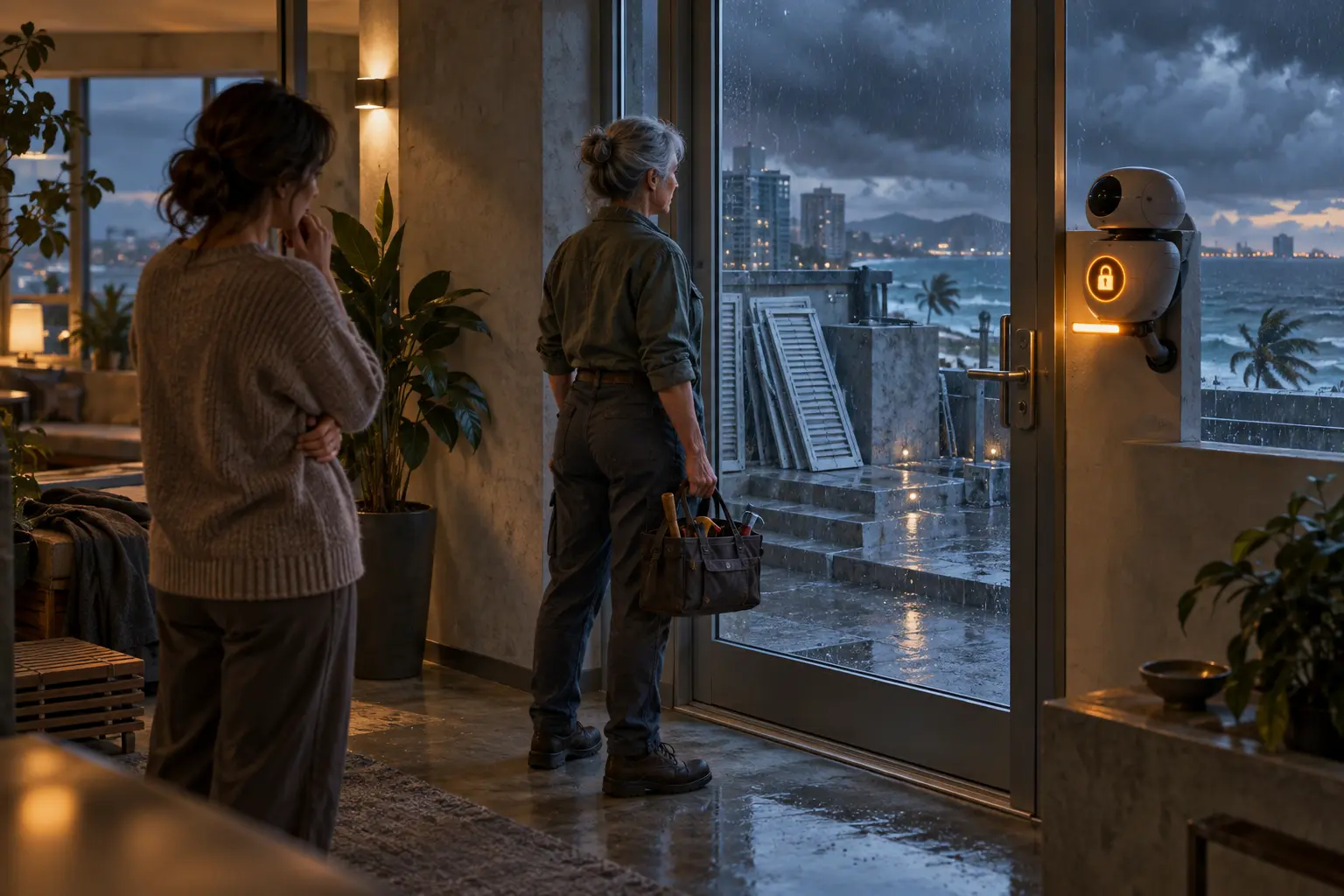
Who repairs the machine? Who can understand its failures? Who decides that a shortage is temporary, and who has to believe them?
Maintenance questions are less spectacular than an unveiling. They are also excellent sources of plot. The person who knows how to restore a failing system may have more practical power than the person who officially owns it.
Give that person a life outside the repair room. They may want a quiet weekend, a promotion, or the freedom to say no. Institutions become clearer when we follow the ordinary person who has to keep them functioning.
Progress without a shortcut
The point is not that invention cannot improve the world. It is that improvement has conditions. Access, accountability, and the distribution of burdens are part of the result, not details to be resolved after the important work is finished.
For a novelist, that opens a richer set of possibilities. The central conflict can come from a genuine benefit badly governed, a reasonable rule with a painful exception, or a person trying to preserve something valuable while changing who controls it.
Build the machine. Then give someone a reason to question the person holding the key.
This essay uses an invented scenario to explore an idea. It is not a claim that the imagined technology exists, and it does not establish canon for Arin Vale’s forthcoming novel.
Part of Beyond the Known, an independent journal by Arin Vale.
Read our editorial approach